As global trade tensions, rising costs, and supply chain disruptions reshape international commerce, businesses are rethinking their sourcing and manufacturing strategies. Southeast Asia is emerging as a key destination for supply chain diversification, supported by economic growth, competitive labor costs, expanding trade agreements, and ongoing infrastructure investment.
In this report, we explore the opportunities across Southeast Asia and the role of logistics in helping businesses build more resilient and efficient supply chains.
1. Why Southeast Asia Is Gaining Momentum
The China Plus One strategy has accelerated investment in Southeast Asia as companies seek to diversify production and reduce reliance on a single manufacturing base.
Key advantages include:
-
Economic growth: Vietnam, Malaysia, Thailand, and Singapore have continued to develop their economies, attracting international investment.
-
Cost competitiveness: Several Southeast Asian markets offer lower labor costs than China, while Singapore stands out for its productivity and advanced infrastructure.
-
Regional trade integration: Agreements such as the ASEAN Free Trade Area (AFTA) and the Regional Comprehensive Economic Partnership (RCEP) support regional trade and investment.
2. Manufacturing Strengths Across the Region
Southeast Asia offers diverse manufacturing capabilities, creating opportunities for businesses across multiple industries.
-
Vietnam: Electronics, computers, mobile phones, textiles, and footwear.
-
Malaysia: Electrical and electronics, petroleum products, chemicals, and palm oil.
-
Thailand: Electrical machinery, industrial equipment, automotive products, and rubber.
-
Singapore: Machinery, transport equipment, and chemicals, supported by advanced industrial and trade infrastructure.
Understanding each market’s strengths can help businesses identify suitable production locations and diversify their sourcing strategies.
3. Infrastructure Supporting Regional Trade
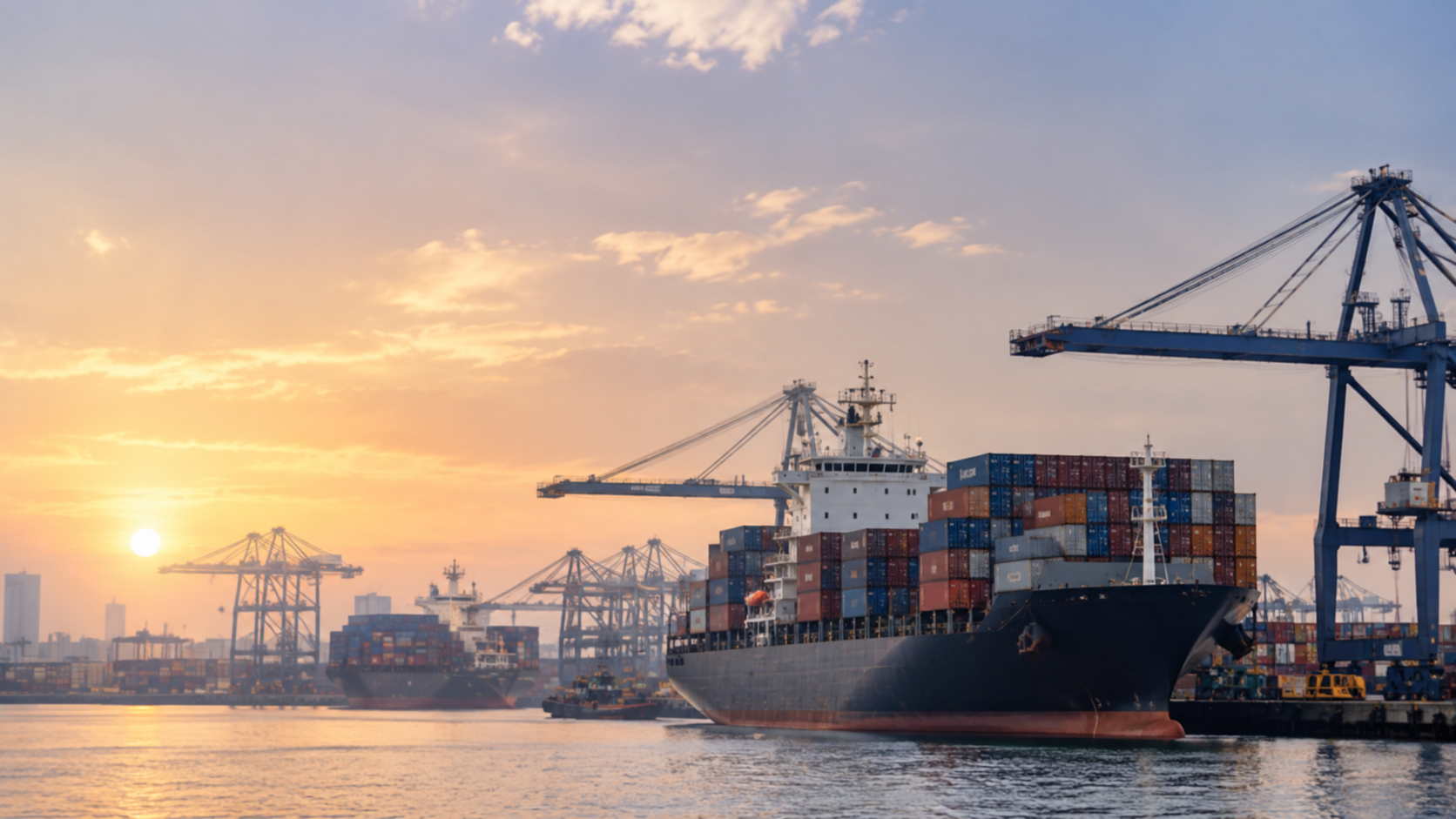
Efficient ports and transportation networks are essential to Southeast Asia’s growing role in global supply chains. Major gateways—including Singapore, Port Klang in Malaysia, Laem Chabang in Thailand, and ports in Vietnam—support the movement of goods across regional and international markets.
Countries across the region are also investing in port modernization, digital technologies, rail connectivity, and cargo-handling capacity. These developments are helping strengthen regional logistics capabilities, although businesses must still account for differences in infrastructure, transit times, and local operating conditions.
4. Why Logistics Matters More Than Ever
Manufacturing diversification is only one part of building a resilient supply chain. Reliable transportation, customs clearance, shipment visibility, and local expertise are equally important to managing costs and reducing disruptions.
YQN Logistics supports businesses navigating Southeast Asia and other major trade corridors through:
-
Extensive carrier partnerships: Access to a broad network of shipping partners across key international and intra-Asia routes.
-
Localized expertise: A global network of 25 branches and more than 1,500 professionals, including teams in Vietnam, Malaysia, Thailand, and Singapore.
-
Technology-driven solutions: Digital shipment tracking and intelligent warehouse workflows designed to improve visibility and operational efficiency.
With the right logistics strategy, businesses can better manage uncertainty, connect manufacturing hubs with global markets, and turn supply chain diversification into a long-term competitive advantage.
Explore the Full Detailed Report
Southeast Asia presents significant opportunities for businesses looking to diversify manufacturing and strengthen supply chain resilience. But which markets best match your business needs, and what should you consider when planning your logistics strategy?
Download the Full Report (PDF) for a deeper look at regional economic trends, labor costs, manufacturing sectors, trade agreements, port infrastructure, and logistics opportunities across Southeast Asia.